How to
How to turn a product idea into a concept
What to do once you have an idea, and before you have anything to show.
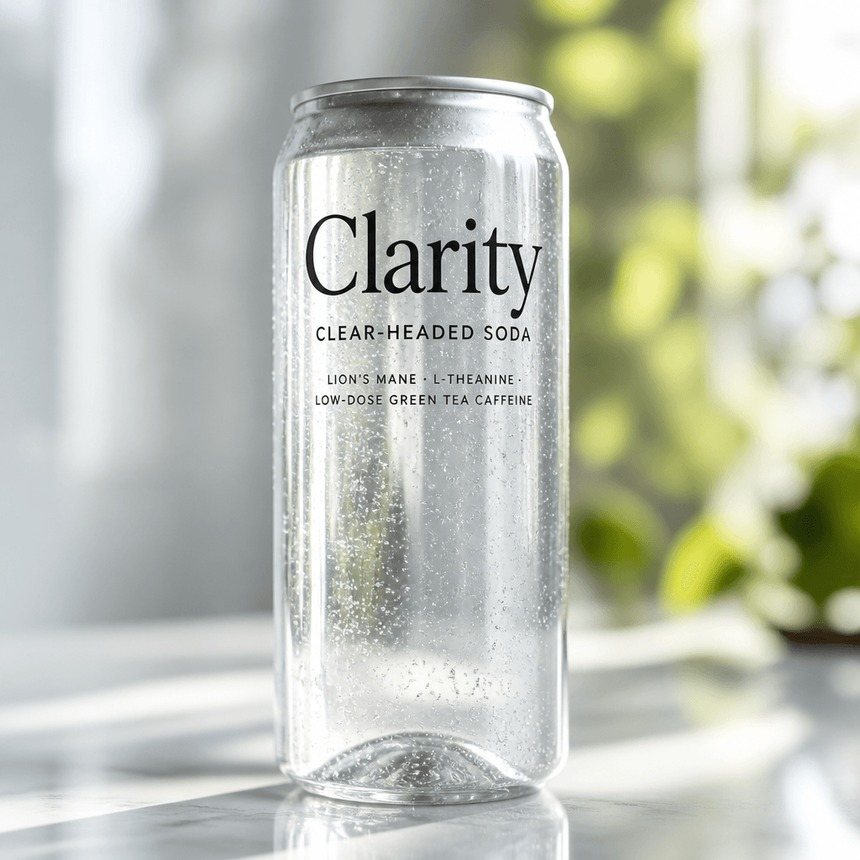
An idea and a concept are not the same thing
An idea is a sentence. "A high-protein cereal." "A beer with no alcohol." It is enough to start a conversation and not enough to start work. A concept is the idea made legible: it names who the product is for, the problem it resolves, and why anyone should believe it does. The gap between the two is where most product work quietly stalls, because the idea feels finished when it is only begun.
The test is simple. Hand your idea to someone who has never heard it. If they can only ask you questions, you have an idea. If they can start designing, pricing, or arguing with it, you have a concept.
The five moves that close the gap
A concept is not a longer description of the product. It is a short, ordered account of the problem and its resolution. Five moves carry it, and each is easiest to see in a product you already know.
1. Find the consumer and the tension
Start from the consumer, not the product, and from the job they are quietly working around. Name a person in a moment and the friction they feel, not a demographic. Liquid Death found one hiding in plain sight: at a show or a bar, plenty of people want something to hold that does not mark them as the one not drinking. Water in a plain bottle did not do that job; water in a tallboy did. That is a consumer and a tension you can build for.
2. State the benefit
One clear thing the product does for that person that resolves the tension, said as a promise rather than a spec. Surreal puts it plainly: eat a proper bowl of the cereal you grew up on, with the protein of a shake and next to no sugar. One benefit, held clearly enough that a reader can repeat it back.
3. Establish the reason to believe
Why should anyone believe the benefit is real? This is where the concept earns trust: the mechanism, the format, the proof. Athletic Brewing's answer to a beer under half a percent that still tastes like beer is a brewing process built for the purpose by serious brewers, not a watered-down afterthought. That is what turns a claim into a proposition.
4. Give it a format
A concept you cannot picture on a shelf is still an idea, and format is often where the idea is carried rather than dressed on afterwards. Graza sells olive oil in a green squeeze bottle you keep by the hob rather than a precious tin, and the bottle, made to be grabbed and used, is the concept made physical.
5. Put a price on it
Price is a positioning decision as much as a commercial one, and a concept that avoids it is avoiding the moment it has to be real. Oatly priced itself deliberately above dairy rather than below; the premium framed it as a considered choice, not a compromise, and became part of the positioning rather than an apology for it.
The most common way this goes wrong
The usual failure is leading with the product and reverse-engineering the consumer to fit it. It produces concepts that are internally tidy and externally unwanted. Working in the order above, consumer and tension first, keeps the concept anchored to a problem someone actually has, which is the only thing that makes it worth building.
Once the concept holds, the next question is not "is it good" but whether it is worth pursuing, which is a different and more useful test.
Common questions
What is the difference between a product idea and a product concept?
An idea is a short statement of what the product could be. A concept is a worked proposition that names the consumer, the tension they feel, the benefit that resolves it, the reason to believe it, and a plausible format and price. An idea starts a conversation; a concept lets a team start work.
What are the parts of a product concept?
A workable concept has five parts: the consumer and their tension, the benefit that resolves it, the reason to believe the benefit is real, the format it takes, and the price. Each earns the next.
Do I need consumer research before I can write a concept?
No. You can write a first concept from a clear reading of the job and the tension. Research sharpens and tests a concept; it is not a precondition for having one. The value of a first concept is that it makes your assumptions explicit enough to test.
Run this on your own idea
Bring a rough idea or a brief. Bampot works it up into the concept, the strategy and the briefs to build it. The first one is free.
Try a brief, free